Nutrition Concepts
Understanding the fundamentals of balanced nutrition
Understanding Core Nutritional Categories
Proper nutrition relies on understanding the key categories of nutrients and their roles in maintaining bodily functions. Each category serves specific purposes in supporting energy, growth, repair, and overall health.
Proteins
Essential for building and repairing tissues, muscles, and organs. They also play crucial roles in enzyme production and immune function.
Sources: Poultry, fish, eggs, legumes, nuts, seeds, and dairy products.
Carbohydrates
Primary source of energy for the body and brain. They provide fuel for physical activity and support cognitive function.
Sources: Whole grains, fruits, vegetables, legumes, and tubers.
Fats
Support hormone production, vitamin absorption, and cellular function. Essential fatty acids play vital roles in brain health and inflammation regulation.
Sources: Oils, nuts, seeds, avocados, fish, and fatty acids in whole foods.
Vitamins
Micronutrients that support immune function, energy metabolism, bone health, and numerous other physiological processes.
Sources: Fruits, vegetables, whole grains, proteins, and fortified foods.
Minerals
Support bone structure, muscle function, nerve transmission, and fluid balance. Each mineral serves specific roles in bodily functions.
Sources: Vegetables, fruits, nuts, seeds, whole grains, and seafood.
Water
Essential for every cellular function, temperature regulation, nutrient transport, and waste elimination. Proper hydration is fundamental to health.
Sources: Water, fruits, vegetables, and other beverages.
The Importance of a Balanced Diet
A balanced diet contains appropriate proportions of all nutritional categories, tailored to individual needs and lifestyle. This balance is crucial for maintaining stable energy levels, supporting immune function, and promoting overall well-being.
When your diet includes adequate proteins for tissue repair, healthy carbohydrates for energy, essential fats for hormone production, and sufficient vitamins and minerals for metabolic processes, your body functions optimally.
"Nutrition is the foundation upon which all physical and mental well-being is built."

Key Food Groups: A Closer Look
Each food group provides distinct nutritional benefits. Understanding these groups helps you make informed choices about incorporating variety into your diet.
Vegetables
Rich in vitamins, minerals, and fiber. Support digestion, provide antioxidants, and contribute to satiety.

Fruits
Excellent sources of vitamins, fiber, and natural carbohydrates. Provide energy and support various bodily functions.
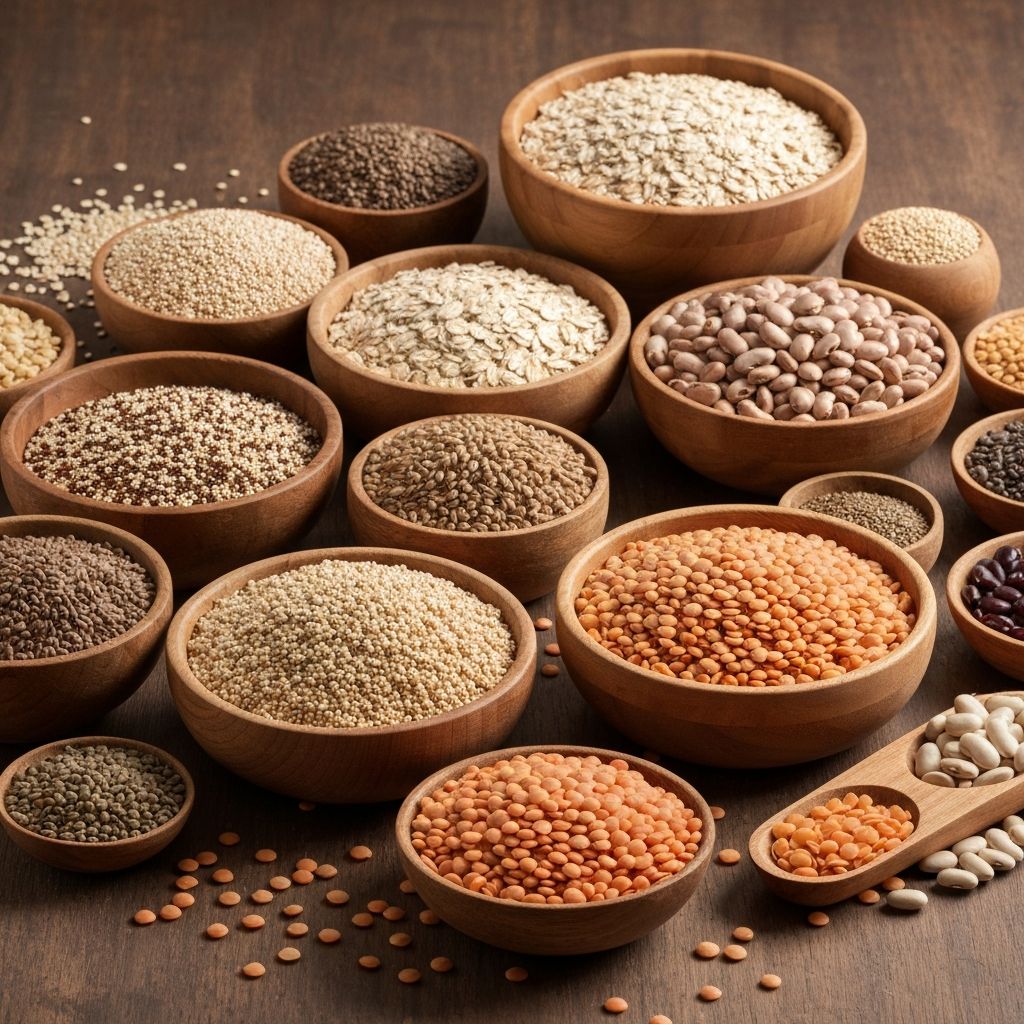
Whole Grains & Legumes
Provide sustained energy, fiber, and plant-based proteins. Support digestive health and metabolic function.